AION 2 Resurrection Guide: Recover After Defeat
Understand AION 2 defeat and resurrection choices, party revival etiquette, recovery steps, regrouping, and how to prepare for a safer second attempt.
Updated: 2026-10-19 · Published: 2026-10-19

On this page
Defeat is a recovery decision, not only a failure screen. The correct resurrection option depends on whether combat is still active, whether the party can safely reach you, and where the available prompt will return the character. Slow down, read the current interface, and choose the option that helps the whole group make a clean second attempt.
Read the Defeat Prompt First
After death or defeat, do not accept the first visible action automatically. Read the prompt, the stated destination and any current conditions. Options, wording and consequences can vary by activity and version. If the interface shows a return location, confirm that it is useful before accepting.
Keep the camera on the encounter if possible. Note whether enemies reset, whether the party is still fighting and whether the body is inside a persistent hazard. This information tells the group whether a revive is practical or whether everyone should disengage and recover together.
Decide Between Party Resurrection and Return
A party resurrection is useful only when the reviving player can complete it safely and the revived member will have room to move. Tell the party whether you can wait. Do not repeatedly demand a revive while enemies are targeting the healer or support player. Protecting the remaining group has priority over restoring one member immediately.
Use the return option when the fight is lost, the body cannot be reached, or reviving would cause another defeat. Before confirming, tell the party where you expect to appear. The party finder guide includes basic communication habits that reduce confusion in matched groups.
Make the Revive Area Safe
If you are the player performing the resurrection, check enemy attention, ground effects and incoming mechanics first. Move the fight away from the body when possible. If another member can protect, interrupt or control nearby threats, assign that action clearly instead of having several players start the same revive.
The revived player should be ready to move as soon as control returns. Do not stand still to rebuild an ideal rotation while danger remains. Use the shortest safe movement, restore enough health to survive and rejoin the party's current plan.
Follow a Recovery Sequence
After resurrection or return, use a fixed recovery order: reach safety, confirm health and combat resources, check active effects, review equipment condition if relevant, then restore consumable shortcuts. Only after those steps should the character travel back or resume damage.
Avoid using every recovery item at once without reading the situation. Select the smallest item or skill that makes the next step safe and preserve emergency supplies for renewed danger. The consumables guide explains how to organize routine and emergency items.
Recovery begins with position
Full resources do not help if the character revives inside the same hazard. Move to safety first, then rebuild health, resources and the combat plan.
Regroup Before Pulling Again
Set a regroup point that is outside enemy patrols and encounter boundaries. Count members, confirm that everyone has returned, and wait for essential cooldowns or resources according to the current activity. The first player back should not begin the next pull while another member is still traveling.
Use the pause to identify one cause of the defeat. Was the target wrong, a telegraph missed, the party split, or a defensive cooldown used too early? Choose one correction for the next attempt. The combat basics guide provides a checklist for target, movement and role responsibilities.
Handle Repeated Defeats Productively
If the same failure repeats, stop changing several things at once. Shorten the route, assign a clearer target, save one defensive response or practice the dangerous mechanic without maximizing damage. A lower-pressure attempt that reaches the mechanic consistently produces better information than a fast pull that ends before the group can learn.
When the activity is beyond the current party, leaving is a valid decision. Repair, obtain appropriate supplies, review the encounter and return later. Continuing without a change consumes time and can create frustration without improving the next result.
Death and Resurrection Checklist
- Read every available prompt and its return destination.
- Tell the party whether the body is safe to reach.
- Protect the player performing a resurrection.
- Move out of danger immediately after revival.
- Restore health, resources, effects and shortcuts in order.
- Regroup fully and change one cause before the next attempt.
A calm recovery preserves more progress than a rushed revive. Make the next safe action obvious, bring the party back together, and turn the defeat into a specific improvement for the following attempt.
Related guides
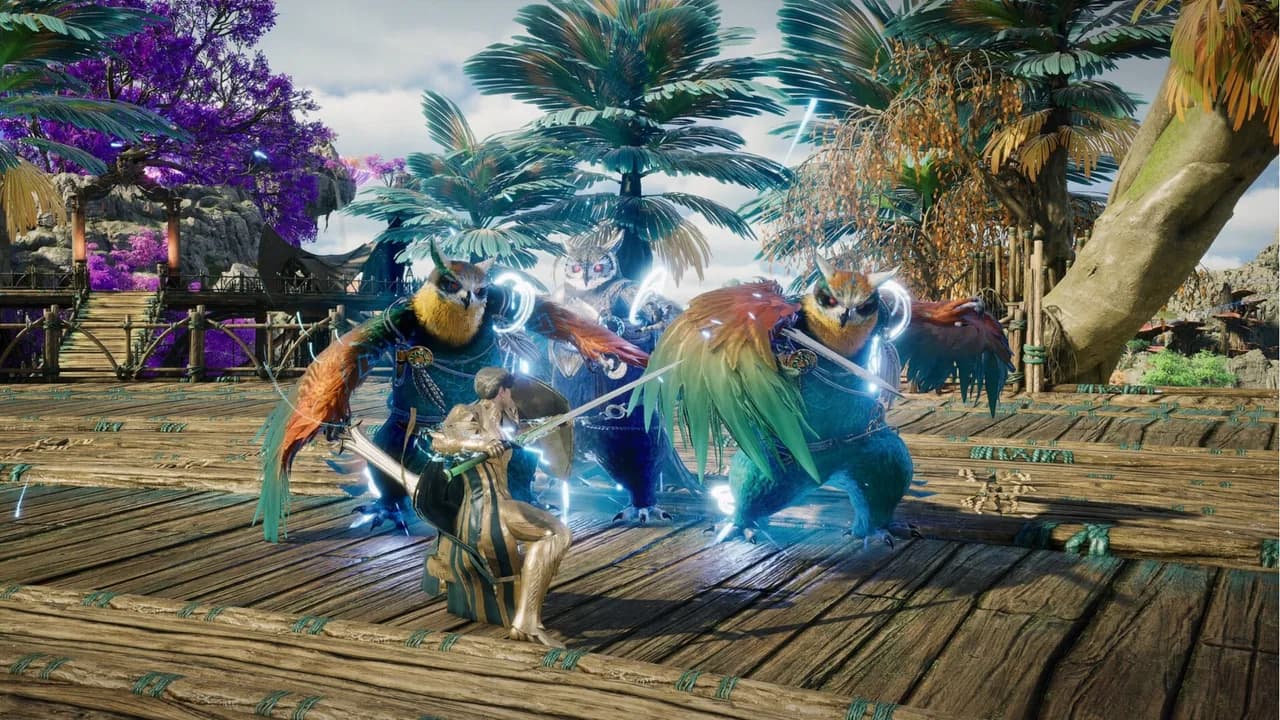 Combat
AION 2 Combat Guide: Targeting, Dodging and Party Roles
Learn AION 2 combat fundamentals: target selection, skill rotation, resources, defensive movement, and the jobs of tanks, healers and damage roles.
Read more Group Play
AION 2 Party Finder Guide: Recruit, Match and Enter Ready
Use AION 2 party recruitment and matchmaking more effectively by checking roles, Item Level, objectives, readiness and leader responsibilities.
Read more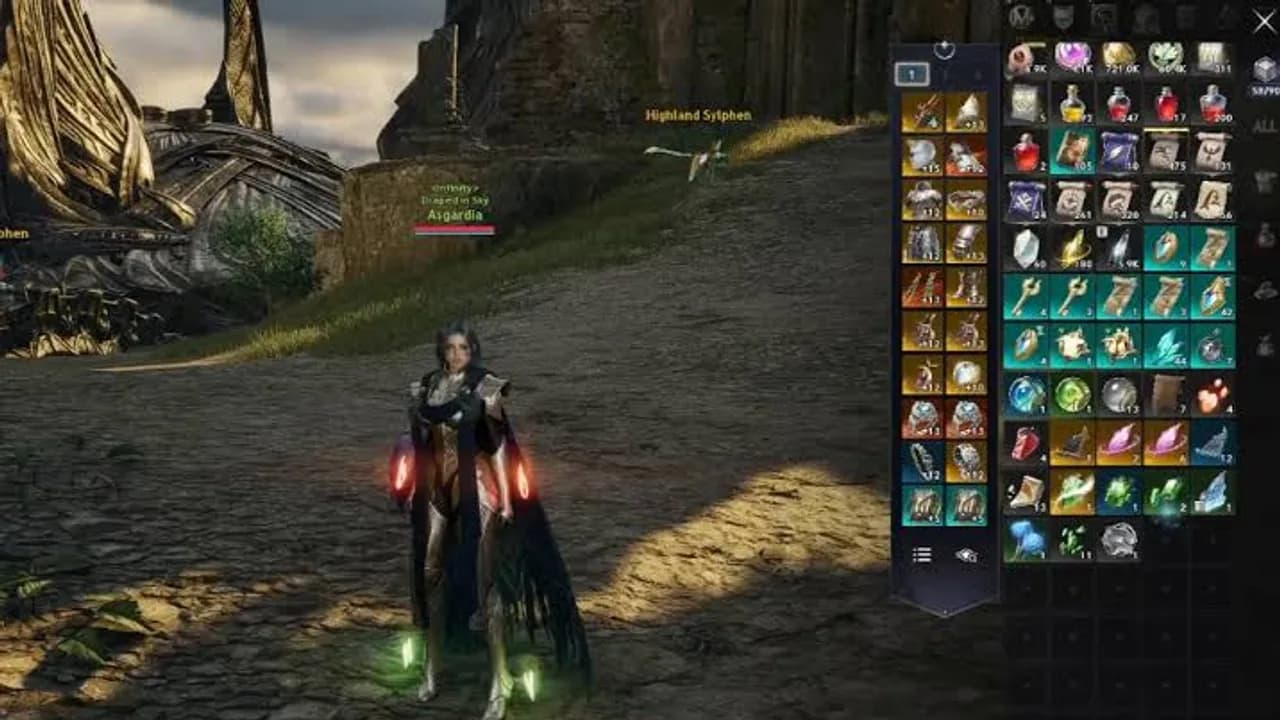 Systems
AION 2 Consumables Guide: Potions, Food, Scrolls and Loadouts
Build an AION 2 consumable loadout with potions, serums, food, scrolls and return items while avoiding binding and buff mistakes.
Read more